
The History and Culture of the Ojibwe (Chippewa) Tribe
Inspired by Native Hope’s October 2022 article Native American Stories & Resources – Native Hope
By Michelle Allen
The Ojibwe—also known as the Chippewa or Anishinaabe—are one of the most influential Indigenous tribes in North America, with ancestral roots stretching across the Great Lakes region. Known for their birchbark canoes, maple syrup harvesting, and deep spiritual traditions, the Ojibwe people have shaped their land and culture for centuries.
Their migration westward was guided by prophecy: to find “the land where food grows on water”—a reference to manoomin, or wild rice. This sacred plant became central to their diet, economy, and spiritual life.
The Ojibwe were part of the Council of the Three Fires, alongside the Odawa and Potawatomi tribes. Within this alliance, they were known as the “keepers of the faith,” responsible for spiritual guidance and ceremonial traditions.
Like many Native nations, the Ojibwe faced devastating treaty losses and forced assimilation. The Treaty of Washington (1855) stripped them of land and hunting rights, pushing them toward agriculture and away from traditional practices. Yet, their resilience endures.
Ojibwe culture is rich with oral storytelling, seasonal traditions, and clan-based responsibilities. They lived in dome-shaped wigwams, harvested maple sap in spring, and gathered wild rice in late summer. Their pictorial writing—often sacred—was etched on birch bark scrolls and rocks, preserving history and spiritual knowledge.
The Ojibwe language, part of the Algonquian family, remains one of the most spoken Indigenous languages in North America. Despite the trauma of boarding schools and cultural suppression, revitalization efforts are strong—through dictionaries, college programs, and community-led initiatives.
And yes, the dreamcatcher—often misappropriated today—originated with the Ojibwe. It was a sacred gift woven by mothers to protect their children from bad dreams, rooted in the legend of Asibaikaashi, the Spider Woman.
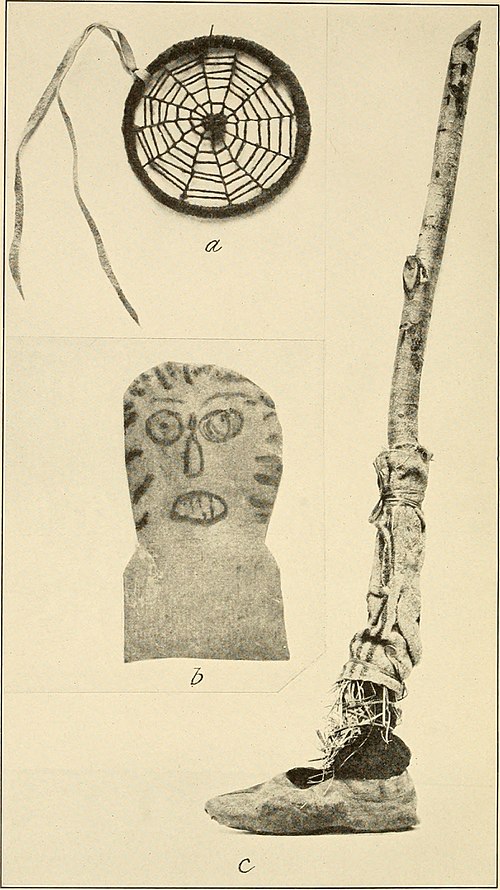
The Ojibwe story is one of endurance, adaptation, and deep connection to land and spirit. It reminds us that history isn’t just what’s written—it’s what’s remembered, reclaimed, and carried forward.
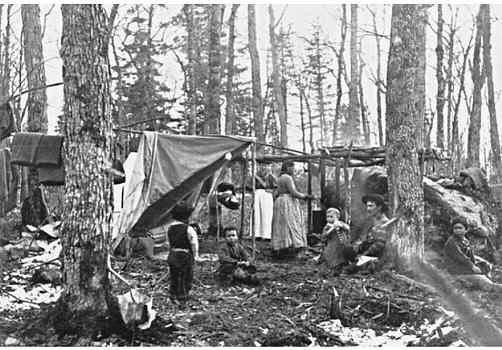
🪵 Maple, Memory, and Mokoks Ojibwe families gather in a seasonal sugar camp, nestled among maple groves rich with promise. Smoke curls through the trees as birch-bark mokoks await their fill—vessels of sweetness crafted from the land itself. What began as a sacred harvest flows into celebration, as Kepayshowink—now Saginaw—welcomes dancers, storytellers, and feasts of strength. Beneath the canopy, syrup becomes legacy, and the forest hums with the pulse of history. 🌿
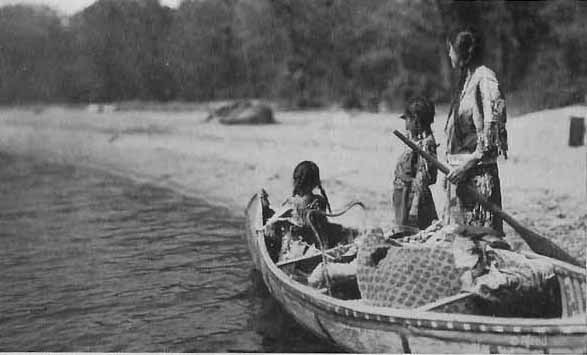
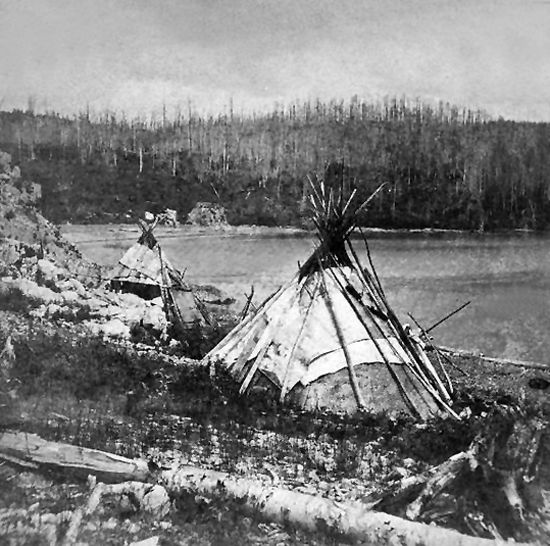

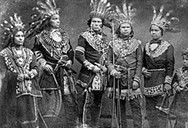
🪶 Understanding the Anishinaabe: A Broader Legacy The Ojibwe, or Chippewa, are part of a larger cultural and linguistic family known as the Anishinaabe—a name that carries many spellings and meanings, including “good humans,” “original people,” or “beings made out of nothing.” This term reflects both spiritual origin and cultural identity, rooted in the belief that the Anishinaabe were created by divine breath from the Creator, Gitche Manitou.
The Anishinaabe include several interconnected nations: Ojibwe, Odawa, Potawatomi, Mississaugas, Nipissing, and Algonquin peoples. Together, they speak Anishinaabemowin, a language from the Algonquian family, and share traditions of oral storytelling, seasonal migration, and clan-based governance.
Historically, the Ojibwe, Odawa, and Potawatomi formed the Council of Three Fires, a powerful alliance where each nation held a sacred role: the Ojibwe as “keepers of the faith,” the Odawa as “keepers of trade,” and the Potawatomi as “keepers of the fire”. This council shaped diplomacy, ceremony, and community life across the Great Lakes region.
The Anishinaabe worldview is deeply relational—centered on respect, non-interference, and the sacred breath that animates all life. Their clan system, or dodem, reflects familial and spiritual responsibilities, often represented by animals like the bear, crane, or turtle.
Though the Ojibwe are often used synonymously with Anishinaabe, it’s important to recognize the diversity within this identity. Each nation carries its own stories, dialects, and regional practices, yet all are bound by shared values of reciprocity, resilience, and reverence for the land.
🪶 Symbol of Sovereignty and Shared Identity This bold emblem honors the unity and cultural legacy of the Anishinaabe nations—Ojibwe, Odawa, and Algonquin peoples—gathered beneath the soaring spirit of the eagle. Its geometric design echoes tradition and protection, while the clean framing of names affirms collective strength. A visual heartbeat of Indigenous pride and resilience.
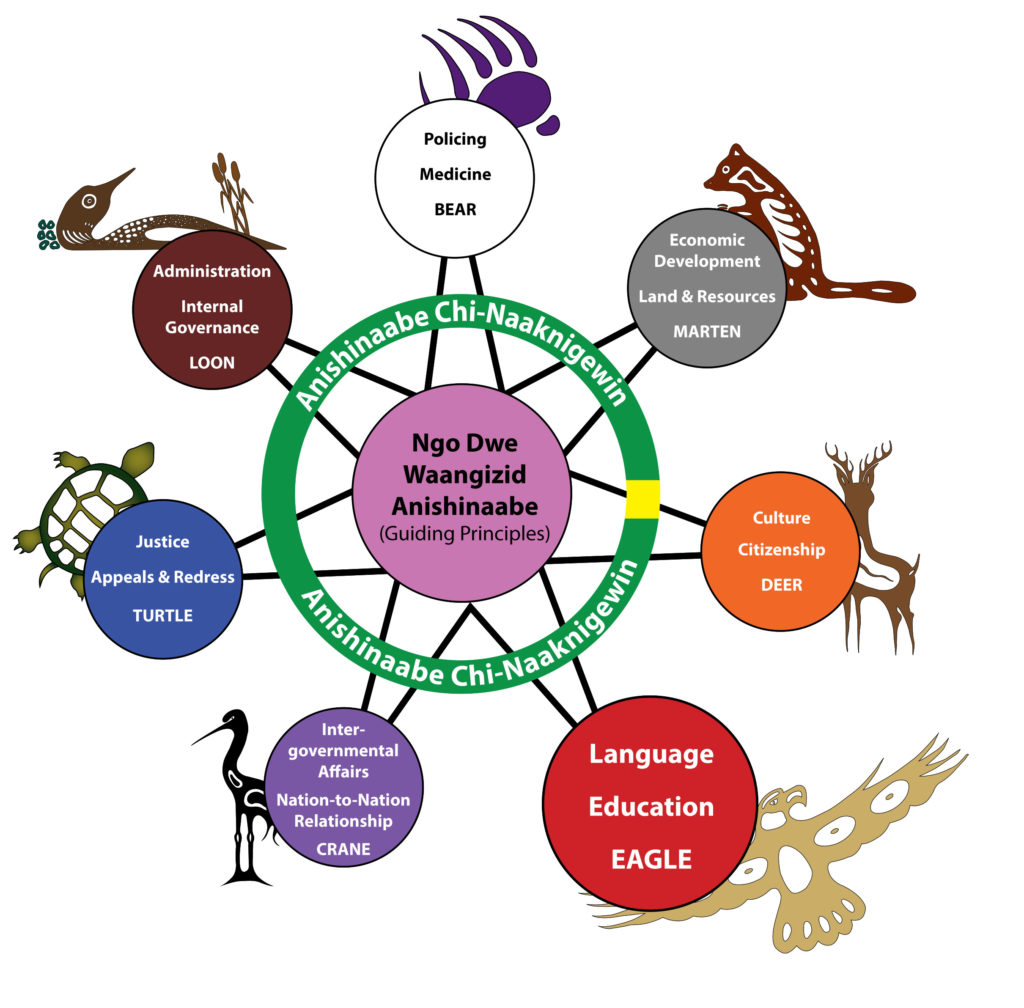
More than politics, it’s philosophy in motion—a reflection of balance, respect, and collective stewardship rooted in tradition. Every circle, every creature, every color tells a story of how the Anishinaabe govern through spirit and relationship.
As I continue walking the path of remembrance, tracing each name and story etched into the Allen line, I do so with reverence—for the ones whose voices were quieted but never lost. This work is more than research—it is reclamation, restoration, and relationship. It is my offering to our children: a bridge between generations, a map made not just of dates and places, but of love, land, and lineage.
May this book carry forward the breath of our ancestors, the wisdom of the waters, and the rhythm of what endures. And may those who read it feel rooted—in story, in strength, and in the sacred responsibility of remembering.
🌿 #OjibweHeritage #ChippewaHistory #AnishinaabeLegacy #IndigenousRoots #AncestorEchoes #LivingAncestry #FromRiverbankToRecord #FamilyStorytelling #WisdomInTheWind #NativeHopeInspired #GreatLakesTribes #CouncilOfThreeFires #SeasonalTraditions #ManoominHarvest #MapleMemoryAndMokoks #CanoeCulture #OralTraditionsMatter #RevivingTheLanguage #TeachTheTruth #SacredGovernance #DreamcatcherOrigins #OjibweRegalia #SymbolsOfSovereignty #VoicesOfTheVillage #LegacyInImages #ResilientSpirit #WhisperingWillowVoices #TracingOurRoots #LegacyThroughBloodlines #MyAnishinaabeStory #FromOtushQuayToMe #CarriedInTheNames #AncestorInMyVeins #KeKeToMe #BloodlineOfStrength #DescendantOfSarahAnn #HonoringDarwinsHeritage #StoriesMyFamilyTells #WomenOfTwoWorlds #LivingHerMemory #GenealogyWithHeart #FamilyNamesMatter #ReclaimingTheRecord #SpiritInMyResearch #RootsRunThroughAuGres #NamesNotForgotten #AncestryIsStory #OurGrandfatherTheChief #MokoksAndMemory #ThreadsOfSurvival #AllenFamilyRoots #AnishinaabeHeritage #OtushQuayObNoQua #SarahAnnSmith #ChippewaLegacy #SaundersFamilyHistory #AuGresStories #LivingAncestry #AncestorEchoes #FromRiverbankToRecord #HealingThroughHistory #FamilyRoots #QuietStrength #WhisperingWillowVoices #SevenGrandfatherTeachings #TurtleIslandCreation #WhiteBuffaloCircles #StoriesThatHeal #EchoesoftheWillow


Leave a comment